


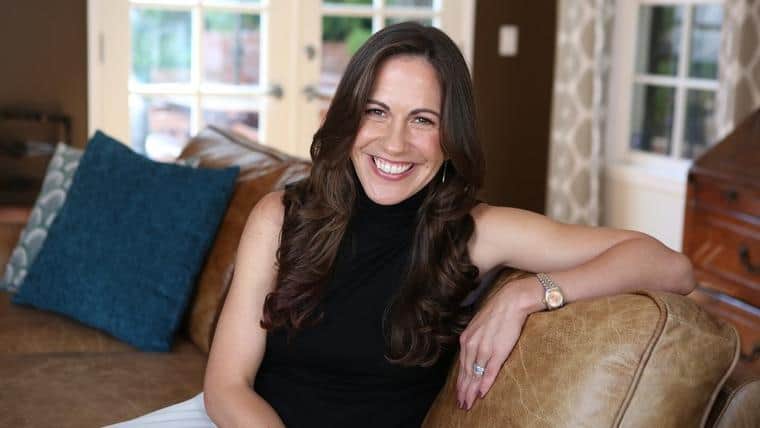





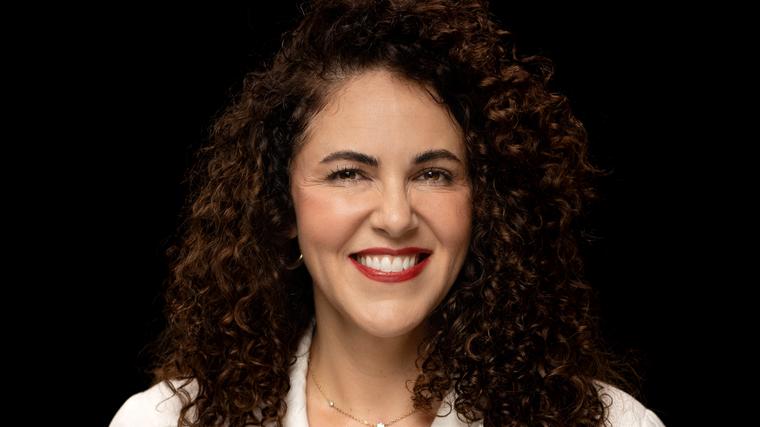








At The Lavin Agency, we represent mental health speakers who walk the walk as well as talk the talk. From leading psychologists to resilience researchers, our speakers deliver insights that translate directly into improved workplace wellness, reduced stress, and sustainable mental health practices.
Whether you’re planning a wellness initiative, employee development program, or organizational health summit, the right mental health keynote speakers can transform your event from another meeting into a catalyst for lasting positive change.
The Top Mental Health Speakers for 2025
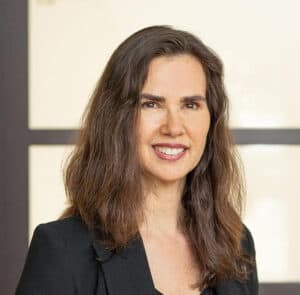
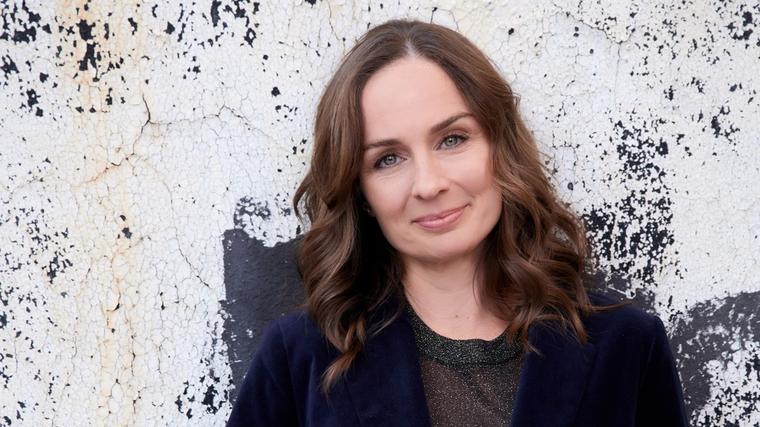
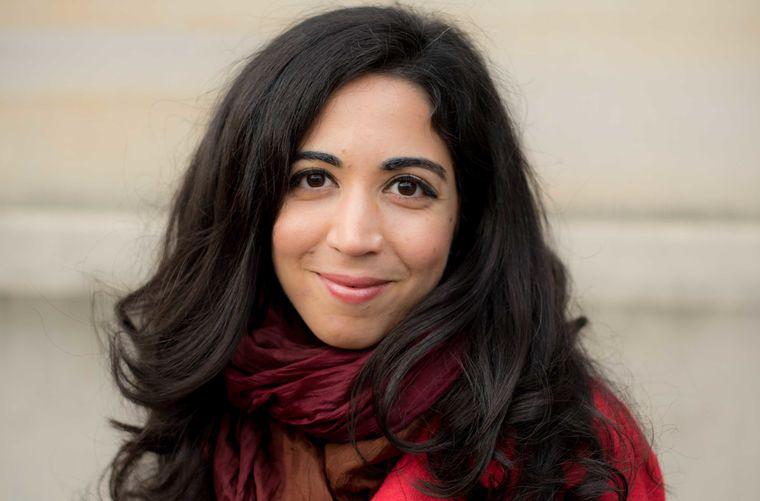
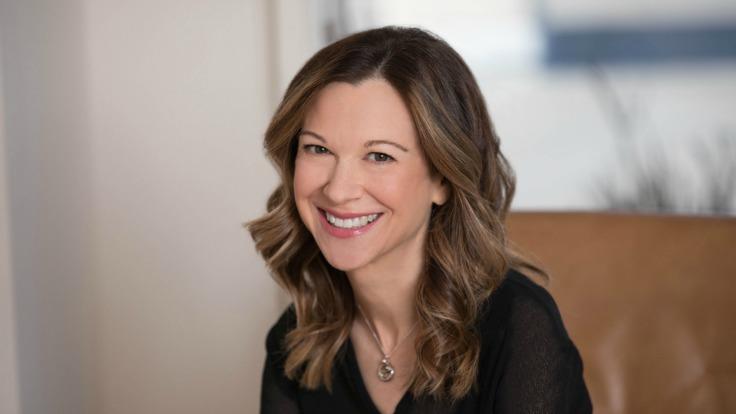
Our roster of mental health keynote speakers includes leaders who are defining the future of mental fitness and wellbeing:
- Kristin Neff, bestselling author of Self-Compassion
- Ethan Kross, bestselling author of Chatter and Shift
- Tracy Dennis-Tiwary, bestselling author of Future Tense
- Emily Esfahani Smith, viral TED Talk speaker and author of The Power of Meaning
- Lori Gottlieb, New York Times bestselling author of Maybe You Should Talk to Someone
- Candy Chang, renowned public space artist
- and many more!
Mental Health Topics That Matter in 2025
The most impactful mental health presentations address the challenges individuals and organizations face right now. Based on current research and workplace wellness trends, these topics are driving meaningful conversations:
Building Mental Fitness and Emotional Regulation
Developing psychological flexibility, managing stress responses effectively, and building the capacity to bounce back from setbacks while maintaining emotional stability in challenging situations.
Workplace Mental Health and Burnout Prevention
Creating psychologically safe work environments, recognizing early warning signs of burnout, implementing sustainable work practices, and fostering cultures that prioritize employee wellbeing.
Mindfulness and Stress Management in High-Pressure Environments
Integrating mindfulness practices into daily routines, using meditation techniques for stress reduction, and developing present-moment awareness to improve focus and decision-making.
Mental Health and Performance Optimization
Understanding the connection between mental wellness and peak performance, developing healthy achievement mindsets, and maintaining high standards without compromising mental health.
Digital Wellness and Mental Health in the Technology Age
Managing screen time and digital overwhelm, addressing social media’s impact on mental health, creating healthy technology boundaries, and maintaining human connection in digital environments.
Neurodiversity and Mental Health Inclusion
Understanding and supporting neurodivergent individuals, creating inclusive environments for different cognitive styles, and leveraging diverse thinking patterns as organizational strengths.
These themes reflect the evolving understanding of mental health and provide audiences with evidence-based strategies they can implement immediately to improve their mental wellness and support others.
How to Choose the Right Mental Health Speaker for Your Event
Selecting the perfect mental health speaker requires careful consideration of your specific objectives, audience needs, and organizational culture. Start by clearly defining your event goals: are you raising awareness, providing practical tools, addressing specific challenges, or promoting overall wellness?
Define Your Mental Health Objectives
Are you launching a wellness initiative? Addressing workplace stress? Supporting employees through organizational change? The best mental health speakers align their message with your specific wellness goals and organizational priorities.
Match Expertise to Audience Needs
Different audiences require different approaches. Employees may benefit from practical stress management techniques and resilience building. Executives might need insights on creating mentally healthy workplace cultures. Students often respond well to anxiety management and life skills development. Healthcare workers require specialized approaches addressing compassion fatigue and secondary trauma.
Consider Speaker Background and Credibility
Mental health speakers come from diverse backgrounds—licensed therapists, researchers, lived experience advocates, and wellness experts. Clinical professionals provide evidence-based insights and therapeutic approaches. Personal story speakers offer authentic experiences and relatability. Researchers contribute cutting-edge findings and data-driven strategies. Choose based on your audience’s needs and preferences.
Evaluate Presentation Style and Approach
Some events call for clinical expertise and educational content, others for personal storytelling and inspiration. Interactive speakers engage audiences through exercises, group discussions, and skill-building activities. Educational presenters focus on sharing research, statistics, and theoretical frameworks. Motivational speakers emphasize hope, recovery, and personal empowerment.
Look for Practical Application and Resource Provision
The most effective mental health keynote speakers provide actionable tools, coping strategies, and resources that audiences can implement immediately. They offer practical frameworks for stress management, resilience building, and mental wellness maintenance that extend beyond the event.
How Mental Health Talks Transform Organizations
The top mental health and fitness keynote speakers leave an impression for weeks, months, and even years. They offer new frameworks and insights for audiences to implement immediately, sparking lasting growth and change in individuals and organizations alike.
Lavin mental health speaker Lori Gottlieb, author of Maybe You Should Talk to Someone, spoke at an event for Writers Bloc. Her talk was hailed as one of the most successful and talked-about programs of the season. “She is a terrific speaker, and has that rare gift of being entertaining and brilliant,” the organizer told us. “Her topics of interest and research are just one step ahead of the cultural conversation of the moment, and spur public discourse that is provocative and important. People turned out in droves for the opportunity to hear her.”
Mental health speakers can also touch audiences on a personal level. Lavin speaker Candy Chang, creator of the Before I Die walls, spoke at Vistage and prompted true connection among the attendees. “During your speech, the woman next to me was quietly crying,” one attendee shared. “I was nervous to reach out to her, since I didn’t know her. Then I thought of how brave you are and how you are talking about connecting to people, so I reached out and touched her on the leg. She was so grateful. It was a small moment and a small gesture, but it made a small connection and you inspired it.”
How to Book a Mental Health Speaker
Step 1: Reach Out
Start by telling us a bit about your event—what kind of audience you’ll have, your goals for the session, and any themes you want the speaker to cover. Not sure yet? No problem. We’re here to help you refine your vision.
Step 2: Get Curated Recommendations
Based on your needs, we’ll suggest a short list of business speakers: just 3-5 names whose background, expertise, and presentation style match what you’re looking for. Whether you want someone deeply academic, inspirational, or with a wealth of business experience to draw from, we’ll find the right fit for your event.
Step 3: Finalize the Details
Once you’ve selected your speaker, we handle the logistics—from fee negotiation and scheduling to travel planning and AV requirements. We’ll ensure everything is clearly laid out in writing, with ongoing support all the way up to event day.
Step 4: Post-Event Support
Want to bring your speaker back for a follow-up session? Need materials for your event recap? We’re still in your corner after the curtain falls.
We’ve love to take some of the work off your plate. If that sounds like a dream, contact us today for help with your event!
Frequently Asked Questions About Mental Health Speakers
What is a mental health keynote speaker?
A mental health keynote speaker is a professional presenter who specializes in topics related to mental wellness, psychological health, resilience, and emotional wellbeing. These speakers typically combine clinical expertise, research knowledge, or lived experience with strong communication skills to educate, inspire, and provide practical tools for mental health awareness and improvement.
How much does it cost to hire a mental health speaker?
Mental health speaker fees vary significantly based on the individual’s credentials, experience, and demand. You can find effective mental health awareness speakers whose fee starts around $5,000, while renowned psychologists, bestselling authors, and leading researchers may command $50,000 or more. The investment often pays for itself through improved employee wellbeing, reduced healthcare costs, and enhanced organizational culture.
Are mental health speakers appropriate for corporate events?
Absolutely. Mental health speakers are increasingly sought after for corporate events as organizations recognize the critical importance of employee mental wellness. They help reduce stigma, provide practical stress management tools, improve workplace culture, and demonstrate organizational commitment to employee wellbeing. Many companies find that mental health presentations lead to increased engagement, reduced absenteeism, and better overall performance.
How far in advance should we book a mental health speaker?
Top mental health speakers often book 3-6 months in advance, especially for major conferences and awareness events like Mental Health Awareness Month in May. However, many excellent speakers remain available with 6-8 weeks’ notice. Starting your search early ensures access to the best selection of speakers and allows time for proper customization and preparation of sensitive content.
What should we consider when planning a mental health event?
When planning events featuring mental health keynote speakers, consider providing content warnings for sensitive topics, ensuring access to mental health resources and crisis support information, creating safe spaces for attendees who may be triggered, and following up with appropriate resources and referrals. The best mental health speakers will guide you through these considerations to ensure a supportive and beneficial experience for all attendees.
Do mental health speakers provide resources for attendees?
Yes, most professional mental health speakers provide valuable resources including coping strategy handouts, mental health resource lists, crisis hotline information, self-assessment tools, and recommended reading. They understand that mental health awareness requires ongoing support beyond the presentation and typically offer materials that attendees can reference and share with others who might benefit.