
Return to All Topics
The Brain

The Brain

8 Speakers
Unlocking the secrets of the brain has untold implications for every human endeavor. Our neuroscience speakers blend leading cognitive science with psychology to help us think clearer, be more creative, and have a better understanding of the self.

In an increasingly technological world, we must tap into the uniqueness of the human brain to set us apart.

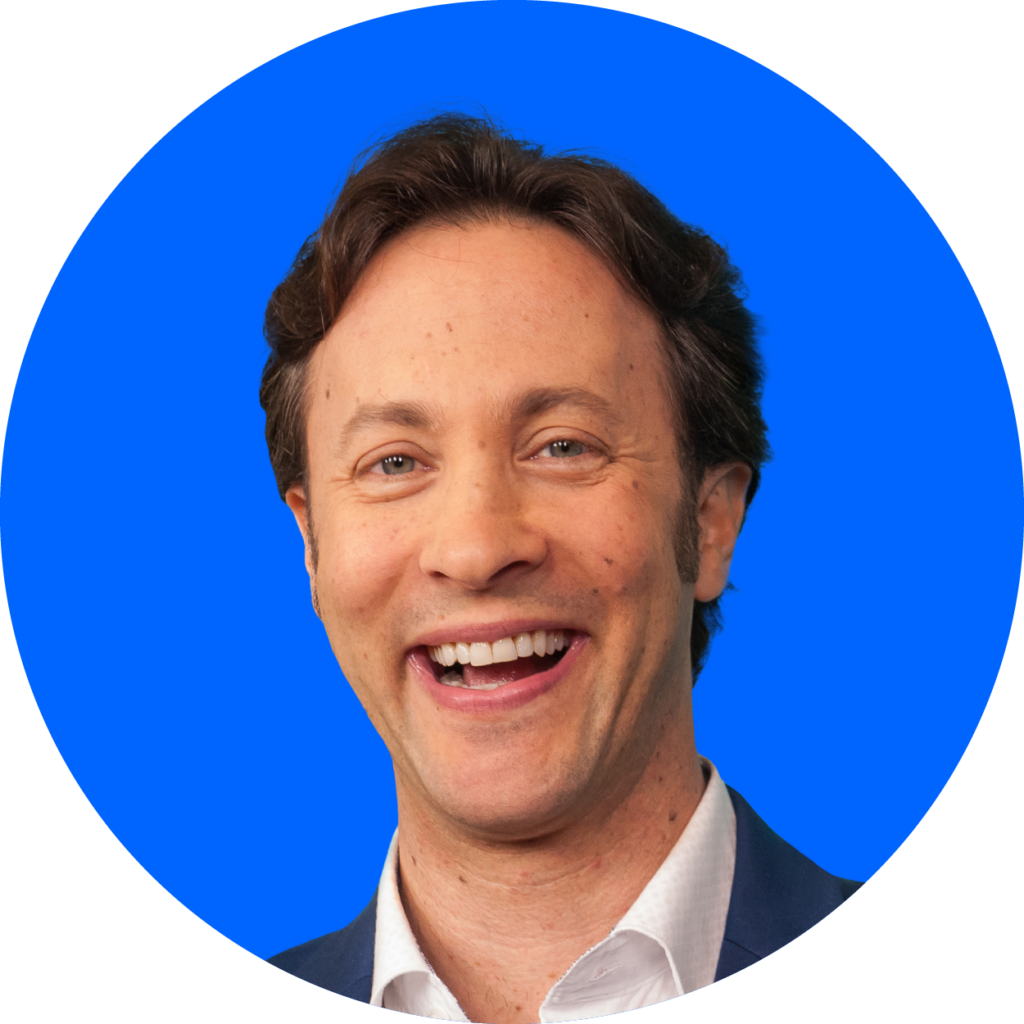
One of the World's Foremost Neuroscientists | Host, PBS’s The Brain | Host, #1 Science Podcast Inner Cosmos
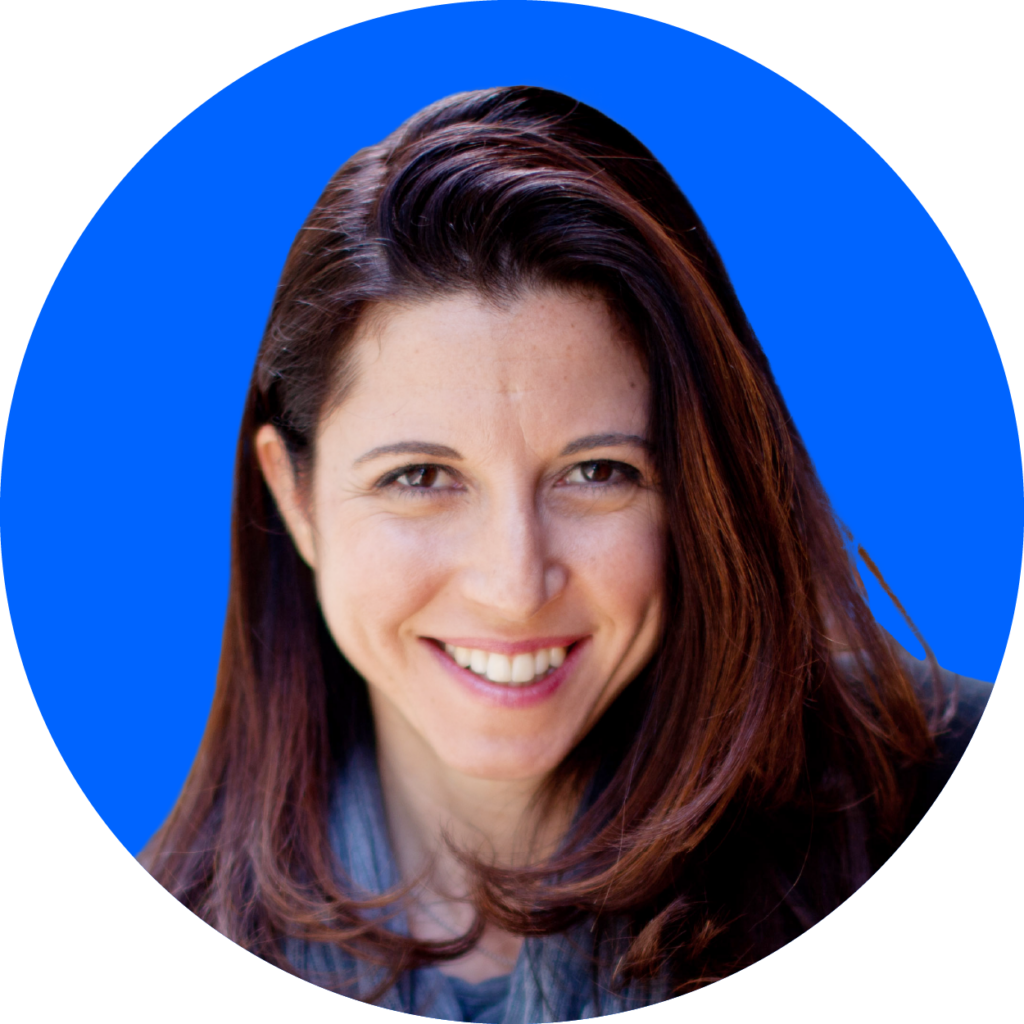
For greater self-control, intimacy, and creativity, recruit your impulses to work for you instead of against you.

Cognitive Neuroscientist | Author, The Fine Art of Losing Control | Host, PBS Nova's Your Brain and the Science of Perception Box Podcast
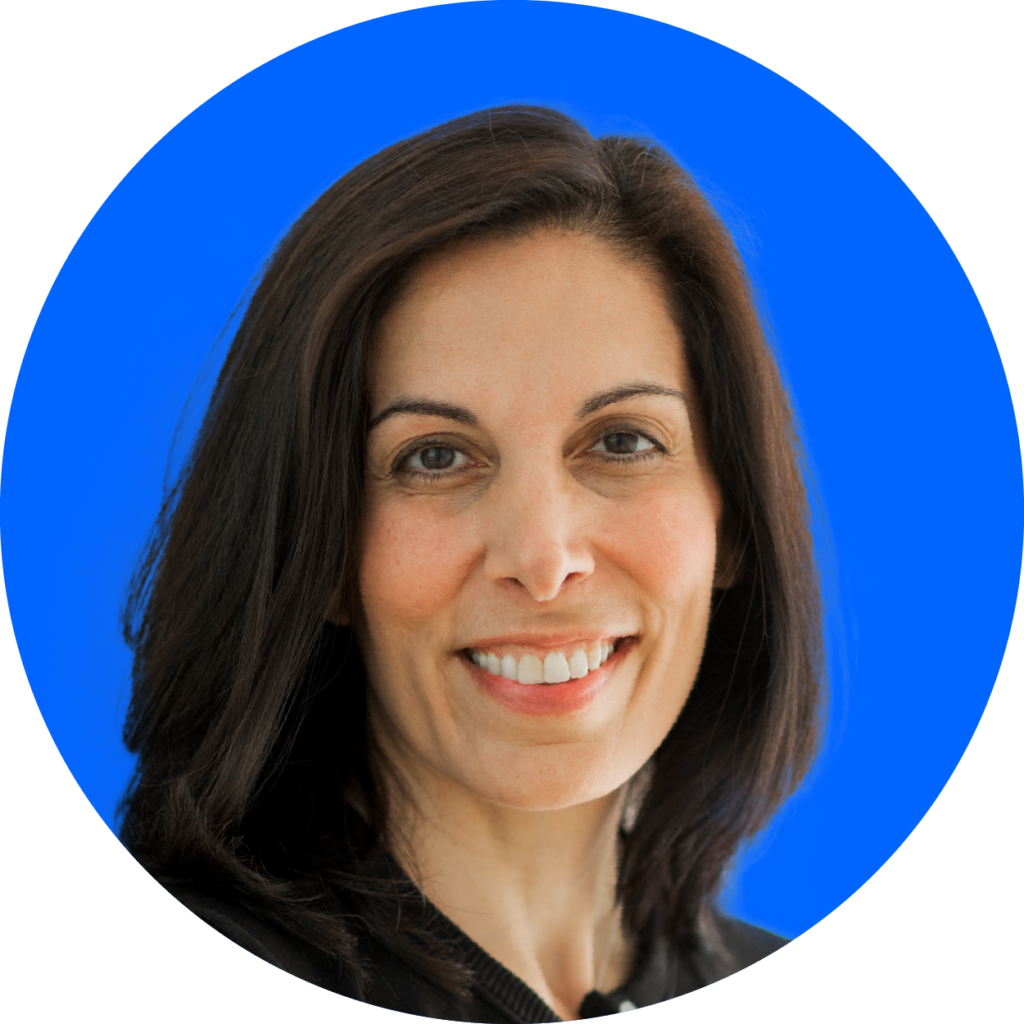
We are the last generation that gets to decide whether our thoughts remain our own.

Author, The Battle for Your Brain and Cognitive Extinction | The World's Leading Voice on Thinking Freely and the Rights of the Mind | Professor of Law & Philosophy, Duke

We can now grow a piece of human 'brain' in a petri dish. Here's what that means for disease, ethics, and our brains' full potential.

New York Times Visionary in Medicine and Science | Founding Director of Stanford Brain Organogenesis | Knight of the Order of Merit
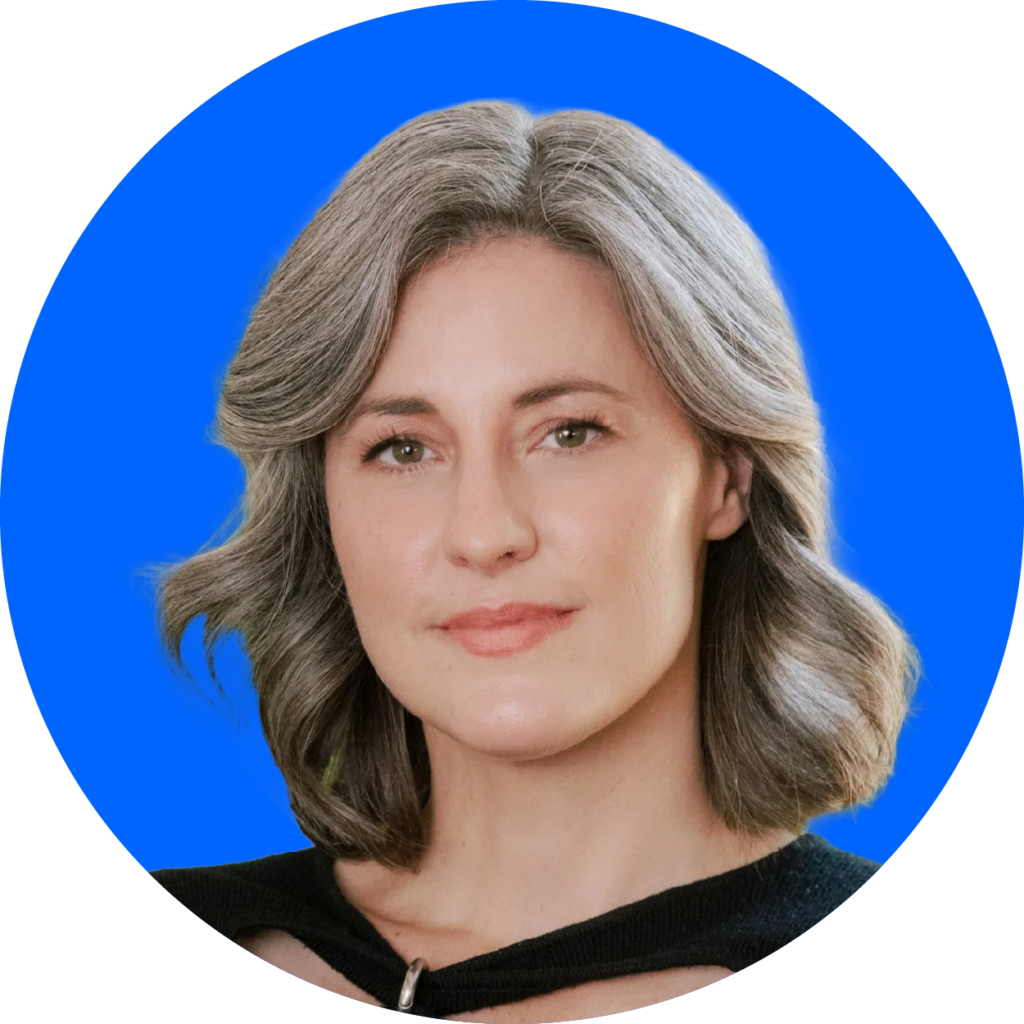
Our genes and environment shape who we become. Understanding them can help us create a truly just and equal society.

Professor of Psychology, University of Texas at Austin | Director, Developmental Behavior Genetics Lab | Author, Original Sin

We're outsourcing more and more of our thinking to AI. What is that doing to our minds? And how can we preserve our human judgment, creativity, and agency?

Professor, Wharton School | Poets & Quants Best 40 Under 40 MBA Professors
How do humans get so smart? Language: it shapes our minds and the world around us.

Cognitive Scientist | Expert in the Fields of Language and Cognition

Everyone has an innate passion for learning. This is how neuroscience can increase engagement and motivation.

Professor of Organizational Behavior, London Business School | Author, Alive at Work


Contact Us

Get More Information
About Lavin Speakers

Tell us a bit about your event, and an experienced Lavin agent will be in touch soon!


FAQs

The brain influences everything we do: how we perceive the world, make decisions, form memories, create ideas, use language, and understand ourselves.

And we are still learning how it works.

The best neuroscience keynote speakers bring audiences inside the latest discoveries in brain science and cognitive research. Drawing on neuroscience, psychology, behavioral science, genetics, and neurotechnology, they explain how the brain shapes behavior—and what that knowledge can teach us about creativity, judgment, identity, performance, and human potential.

The Lavin Agency represents leading neuroscientists, cognitive scientists, bestselling authors, and researchers whose work makes complex brain science accessible and relevant. Their talks help audiences think more clearly about how the mind works, challenge assumptions about human behavior, and understand the technologies and discoveries that could reshape our relationship with the brain itself.

The top speakers on the brain for 2027 include:
  • David Eagleman, neuroscientist, bestselling author, and host of The Brain with David Eagleman.
  • Heather Berlin, cognitive neuroscientist and author of The Fine Art of Losing Control.
  • Nita Farahany, Duke professor and author of The Battle for Your Brain.
  • Kathryn Paige Harden, University of Texas psychologist and author of The Genetic Lottery and Original Sin.
  • Gideon Nave, Wharton professor and leading researcher on judgment and decision-making.
  • Lera Boroditsky, cognitive scientist known for pioneering research on language and thought.
  • Dan Cable, London Business School professor and author of Alive at Work.
How the Brain Shapes Perception

We do not experience the world exactly as it is. The brain interprets incoming information, fills in gaps, and constructs a version of reality. Speakers explore what perception reveals about consciousness and human experience.

Decision-Making and the Brain

Choices are influenced by emotion, reward, memory, social context, and unconscious processes. Neuroscience speakers show audiences why judgment is often less rational than it feels—and how understanding those processes can improve decisions.

Creativity and Cognitive Flexibility

Creative thinking depends on the brain’s ability to combine ideas, move between different modes of thought, and tolerate uncertainty. Speakers explore what neuroscience can reveal about imagination, insight, and originality.

Language and Thought

Language does more than communicate ideas. Research suggests it can influence how people categorize and experience the world. Speakers such as Lera Boroditsky explore the relationship between language, cognition, and culture.

Genetics, Environment, and Human Difference

Brains develop through a complex interaction between biology and environment. Speakers examine how genetics and experience contribute to individual differences while challenging simplistic assumptions about intelligence, personality, and potential.

Neurotechnology and Cognitive Privacy

New technologies are making it increasingly possible to measure, interpret, and influence brain activity. Speakers explore the ethical and legal questions surrounding cognitive data, brain-computer interfaces, and the future of mental privacy.

Start with the brain question you want to explore. Decision-making, creativity, consciousness, language, genetics, and neurotechnology require very different kinds of expertise.

Decide how technical your audience is. Researchers and clinicians may want deeper scientific detail, while corporate or general audiences often benefit from speakers who connect brain science directly to everyday behavior.

Think about application. If your audience wants better decision-making, creativity, communication, or performance, choose a speaker who can translate neuroscience into practical implications.

Separate neuroscience from general psychology. If the event is specifically about how neural processes, cognition, genetics, or neurotechnology work, a neuroscience-focused speaker is a stronger fit than a broader behavioral expert.

Consider ethical questions. Brain science increasingly intersects with privacy, AI, employment, education, and law. If those issues matter to your audience, look for a speaker who can address both scientific possibility and social consequences.

Look for scientific clarity. The brain is especially vulnerable to oversimplified claims. Choose speakers whose work is grounded in credible research and who can communicate complexity without turning neuroscience into a collection of myths.

Step 1: Reach Out

Start by telling us a bit about your event—what kind of audience you’ll have, your goals for the session, and any themes you want the speaker to cover. Not sure yet? No problem. We’re here to help you refine your vision.

Step 2: Get Curated Recommendations

Based on your needs, we’ll suggest a short list of neuroscience speakers: just 3-5 names whose background, expertise, and presentation style match what you’re looking for. Whether you want someone deeply academic, inspirational, or with a great story to tell, we’ll find the right fit for your event.

Step 3: Finalize the Details

Once you’ve selected your speaker, we handle the logistics—from fee negotiation and scheduling to travel planning and AV requirements. We’ll ensure everything is clear for you and the speaker, with ongoing support all the way up to event day.

Step 4: Post-Event Support

Want to bring your speaker back for a follow-up session? Need materials for your event recap? We’re still in your corner after the curtain falls.

We’d love to take some of the work off your plate. If that sounds like a dream, contact us today for help with your neuroscience event!

Neuroscience speaker fees vary based on the individual’s profile, expertise, and event format. We represent neuroscience speakers whose fee is as low as $10,000, and speakers whose fee goes up to more than $75,000. Our experienced agents would be more than happy to find some amazing options that work with your budget.

Neuroscience keynote speakers cover cognition, perception, consciousness, creativity, decision-making, language, genetics, neurotechnology, motivation, and brain health.

Different speakers approach these topics through neuroscience, cognitive science, psychology, behavioral research, genetics, or law and ethics.

A neuroscience speaker can give audiences a scientifically grounded way to understand how people think, decide, create, communicate, and respond to their environments.

For corporate and university events, the right speaker can make complex brain science accessible while connecting it to practical questions about performance, leadership, creativity, technology, or human behavior.